
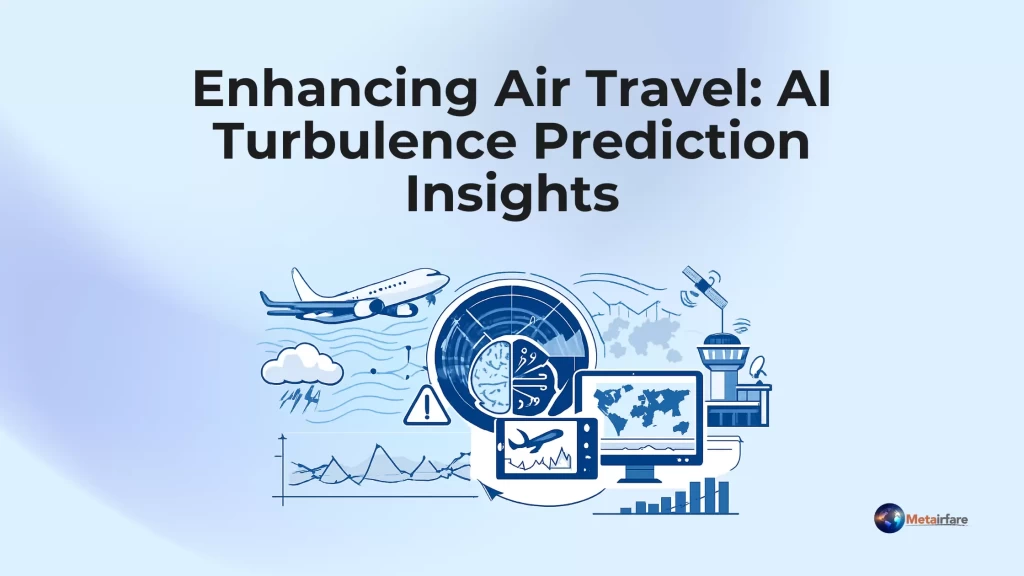
Navigating the skies between India and Canada presents unique challenges, one of which is turbulence. With advancements in technology, especially in the field of AI turbulence prediction, flight safety has seen significant improvements. This blog will delve into the intricacies of weather-based flight models and explore the best routes for a smoother journey across these two nations. Understanding these elements not only enhances passenger experience but also positively impacts the overall efficiency of the aviation industry.
Weather-based flight models
Weather-based flight models have evolved to incorporate various elements that predict turbulence with remarkable accuracy. Traditionally, pilots relied on weather reports and manual calculations to determine flight paths. Today, integrated systems utilize real-time data from multiple sources including satellites, weather stations, and atmospheric sensors to assess conditions that may lead to turbulence. These models consider factors like wind speed, air pressure, and temperature changes to create a comprehensive overview of the skies.
One significant advantage of these advanced systems is the ability to predict clear air turbulence, which often occurs without any visual indications. By analyzing meteorological data and forecasting potential turbulence zones, airlines can reroute flights preemptively, ensuring a smoother travel experience. The implementation of these weather-based flight models allows airlines to optimize fuel usage and improve schedules, ultimately contributing to cost savings and enhanced safety protocols.
Moreover, as these models continue to grow in sophistication, the potential for future enhancements remains vast. Innovations centered around machine learning and big data analytics promise even more accurate turbulence prediction, revolutionizing how airlines prepare for in-flight conditions. Understanding how these weather-based models work is crucial for both passengers and industry professionals, as it shapes the future of air travel safety and efficiency.
Best routes
When planning flights between India and Canada, determining the best routes is essential for minimizing turbulence and maximizing comfort. Recent studies indicate that certain flight paths are less prone to turbulent air due to geographic and climatic conditions. These optimally chosen routes help airlines avoid potential turbulence hotspots, allowing for a more serene flight experience for passengers.
Incorporating AI turbulence prediction systems into route planning has revolutionized how airlines select their paths. For example, flights that travel over the Himalayas may be more turbulent compared to those following a route across the Arabian Sea. Additionally, seasonal changes affect air currents significantly. During monsoon season, weather patterns shift, necessitating adjustments in flight routes to maintain comfort and safety.
Airlines often gather and analyze historical data to inform their route selection, taking into account how weather patterns have behaved over time. Passengers traveling from India to Canada can enjoy smoother flights on established routes designed to bypass regions known for frequent disturbances. By understanding weather trends and turbulence patterns, airlines can enhance flight operations and improve passenger satisfaction.
Choosing to fly along these optimal paths, guided by predictive analytics and real-time data, is essential for travelers who prioritize a smooth journey. Awareness of the geography and weather conditions that influence flights can lead to more informed decisions.
As air travel gets smarter, so does booking — compare Canada to India routes on Metairfare using real-time fare data.
One Reply to “Enhancing Air Travel: AI Turbulence Prediction Insights”
Comments are closed.