
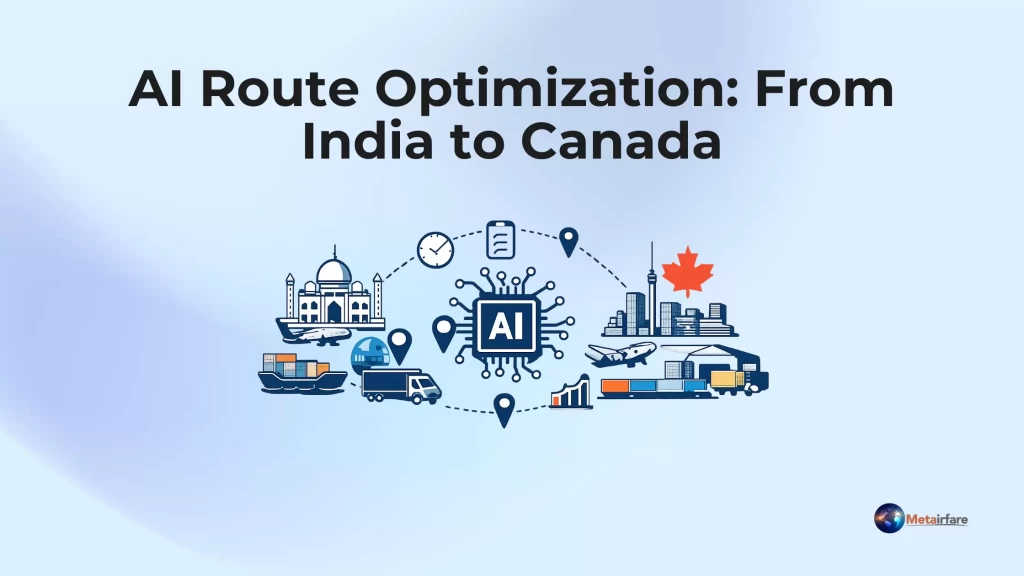
In the rapidly evolving field of transportation and logistics, optimizing routes has become essential for enhancing efficiency, reducing costs, and improving overall travel experiences. Geographic challenges, time constraints, and fuel management are just a few of the complexities that must be navigated when planning routes from India to Canada. An effective strategy incorporates the use of innovative technologies that streamline the process, ensuring that logistics managers and travelers benefit from the optimization tools available today. This article delves into how routes are optimized across vast distances and highlights the tools that can assist in this essential task.
How routes are optimized
Route optimization is a well-defined process that involves the careful planning of travel paths to achieve the most efficient route possible. Various factors come into play during this process, including distance, traffic conditions, fuel consumption, vehicle capacity, and delivery deadlines. To begin with, data collection is critical. Geographic information systems (GIS), real-time traffic information, weather patterns, and historical data contribute to better decision-making. By analyzing this data, route optimization algorithms can be developed to suggest the most efficient paths.
An essential component of route optimization is the identification of waypoints—specific locations along a route where decisions will affect the timing and energy expenditure of travel. For example, when planning a journey from India to Canada, it’s vital to select entry and exit points that facilitate a seamless transition between modes of transport, such as air and ground. Additionally, logistics managers must adhere to international regulations and standards, ensuring that routes remain compliant throughout various jurisdictions.
Ultimately, route optimization is an ongoing process. Tools are regularly updated, and refactoring happens as new data emerges, providing continuous improvement to ensure routes remain efficient and cost-effective.
AI tools
The advent of artificial intelligence (AI) has revolutionized route optimization, introducing sophisticated tools that analyze vast amounts of data to determine the best possible travel paths. These AI-powered route optimizers can swiftly evaluate multiple parameters, including distance, expected delays, and vehicle performance. There are several AI-driven tools available for logistics and transportation managers. Some of the most notable include predictive analytics platforms, real-time tracking solutions, and machine learning applications.
Predictive analytics can forecast traffic conditions, helping businesses plan for congested areas and adjust routes proactively. Real-time tracking solutions offer visibility into vehicle locations, providing managers with the ability to reroute in response to unforeseen circumstances such as road closures or accidents. Machine learning applications continue to learn from past journey data, refining their algorithms to enhance decision-making and efficiency.
The integration of these tools into logistics frameworks not only enhances route programming but empowers managers with actionable insights, improving satisfaction for both shippers and customers. As optimization tools become increasingly advanced, businesses can ensure that they are ready to navigate the complexities of international routes, such as those from India to Canada, effectively managing their resources and costs.
Conclusion
The journey of optimizing routes from India to Canada underscores the importance of utilizing modern technologies. Organizations can create a competitive advantage by adopting effective route optimization strategies. By leveraging AI tools, businesses can enhance travel efficiency, adapt quickly to changing conditions, and streamline logistical operations. Thus, pursuing route optimization should be seen as a strategic necessity rather than a mere option.
Optimizing travel routes not only saves time and money but also enhances the overall shipping experience. As organizations continue to embrace technology, the potential for improving efficiency in logistics operations will only expand. Businesses looking to thrive in today’s interconnected world must recognize the value of investment in routing solutions that harness the power of AI technology and data analytics.
One Reply to “AI Route Optimization: From India to Canada”
Comments are closed.