
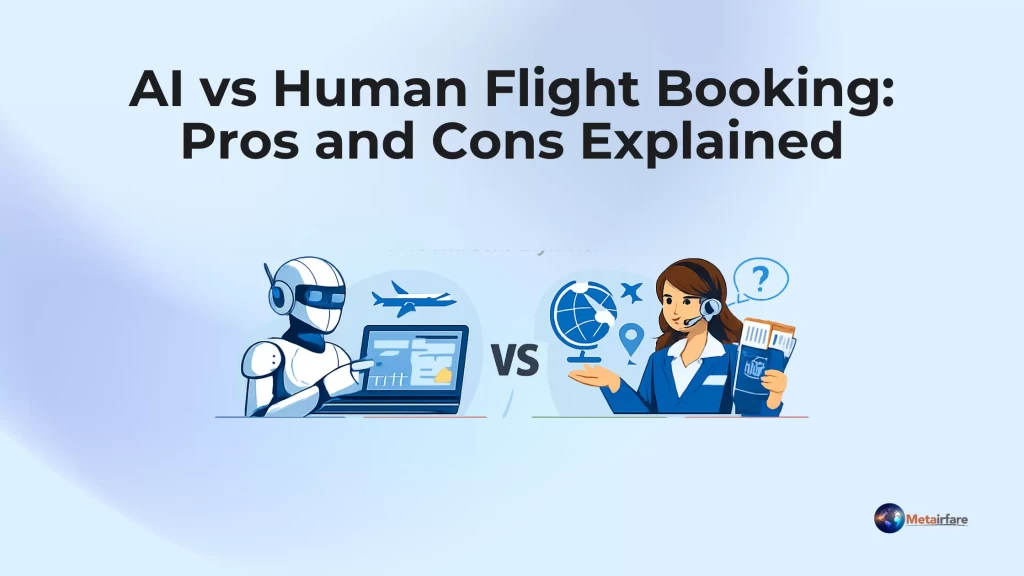
In today’s fast-paced world, when it comes to booking flights, travelers often find themselves weighing the options between artificial intelligence and human agents. Each method offers distinct advantages that cater to different needs and preferences. Understanding these differences is crucial for making an informed decision that aligns with your travel expectations, budget, and level of comfort. In this comparison, we will dive into the merits of both AI-assisted and human-assisted flight booking, shedding light on which is most beneficial for your next trip.
Pros of AI
One of the significant advantages of using AI for flight booking is efficiency. With algorithms that can process and analyze vast amounts of data within seconds, AI can present various flight options tailored to your preferences, such as budget, travel time, and layover duration. This speed not only saves time but also leads to quick decision-making, which is essential for those who have tight schedules.
Moreover, AI systems often come equipped with real-time updates. They can notify travelers of any changes in flight status, gate information, and even offer alternative options in case of cancellations. This level of responsiveness can greatly reduce travel anxieties for those who prefer to remain informed at all times. Additionally, AI-powered platforms frequently provide lower operational costs, which may translate to lower prices for the consumer, making it attractive for those seeking budget-friendly options.
Another point to highlight is accessibility. Many AI-driven services are available 24/7, allowing booking at any hour without needing to contact a human agent. This convenience can be a game-changer for frequent travelers or anyone in a different time zone. Furthermore, with personalized learning capabilities, these systems can improve recommendations with each interaction, enhancing user experience over time.
Pros of Agents
While AI presents compelling benefits, human agents bring their own unique strengths to the table. A key advantage of using a human agent is the personal touch that comes with face-to-face interactions or direct communication. Travel agents can understand emotional nuances, preferences, and specific needs that an algorithm may overlook. This personal connection often translates into tailored advice, helping travelers make informed decisions based on years of expertise and insight.
Human agents offer a depth of experience that can be particularly valuable in complicated situations such as destination changes, itinerary adjustments, or unforeseen travel issues. They provide guidance that considers the bigger picture of your journey, helping to navigate nuances that might not be immediately apparent through automated systems. Their knowledge often extends beyond booking flights; they can assist with accommodations, activities, and logistics all in one go, adding more value to the travel experience.
Additionally, when challenges arise, having a human agent on your side can provide reassurance. If your flight gets canceled or delayed, a travel agent is equipped to handle situations with empathy and efficiency, working directly with airlines on your behalf. This human element can make a significant difference, especially during stressful travel scenarios where making decisions is critical.
Which is Cheaper?
When evaluating the costs associated with AI vs. human flight booking, the analysis can be nuanced. Generally, AI-powered platforms tend to operate with lower overhead costs, which can translate to cheaper flight options for the consumer. These platforms frequently provide competitive prices due to their ability to aggregate offers from various airlines and present them to users instantly. This cost efficiency appeals to budget-conscious travelers looking for the best deals.
However, it’s essential to consider that human agents might have access to exclusive deals or promotions that aren’t widely advertised. Some travel agencies have established partnerships with airlines that can lead to savings that aren’t available through standard booking platforms. By leveraging their connections and industry knowledge, agents may help clients discover better rates or flight packages that are worthwhile, particularly for group travel or complex itineraries.
In summary, while AI often presents a rapidly affordable solution, human agents bring valuable insights and potential hidden savings that can make flight booking more cost-effective. The best choice often depends on the traveler’s specific needs, the nature of the trip, and the complexity of the itinerary. Therefore, researching various options and weighing them against personal preferences is crucial for making the most economical decision.