Flights from Canada to India
Find Cheap Domestic & International Flight Deals
 IATA Accredited Agent
· 60596056
IATA Accredited Agent
· 60596056
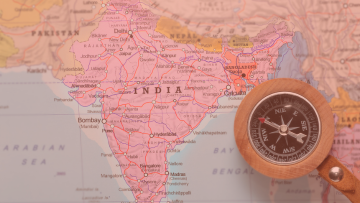
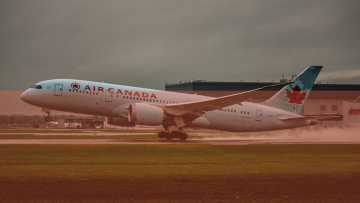
Flights from Canada to India typically take 14-22 hours and run C$900-1,800 round-trip in economy. Toronto and Vancouver offer the most direct routes; February is the cheapest month. Eight or more airlines serve the corridor, with Air India and Air Canada flying non-stop.
Why Canada to India flights are different
Flying from Canada to India is one of the longest international routes regularly served by commercial airlines, with most journeys covering 11,500 to 13,500 kilometres and taking between 14 and 22 hours including stopovers. Unlike short-haul or domestic flights, Canada-India fares can swing by hundreds of dollars depending on the booking window, season, and which Indian destination you fly into.
The busiest origin cities are Toronto (YYZ), Vancouver (YVR), and Calgary (YYC), each with strong demand to Delhi (DEL), Mumbai (BOM), Amritsar (ATQ), and Bangalore (BLR). Direct flights are limited — Air Canada and Air India operate non-stop services on a handful of routes, while most travellers connect through Doha, Dubai, London, Frankfurt, or Zurich.
Peak season runs late October through January, covering Diwali, Christmas holidays, and the Indian wedding season, when fares can be 40-60% higher than off-peak. The cheapest months to fly are typically February-April and September-October, when student-return demand drops and Canadian winter travellers haven't yet booked.
Booking 8-12 weeks ahead generally lands the best fares, though last-minute deals do appear on cancelled-block inventory. For most travellers, working with a Canada-India specialist beats public OTAs because hold inventory, group rates, and rerouting flexibility aren't available on consumer booking sites.
According to Transport Canada , over 2 million passengers travelled between Canada and India in 2024.
Typical fare ranges — top Canada to India routes
Round-trip economy fares, off-peak (Feb-Apr) vs peak season (Oct-Jan). Prices in CAD, indicative only.
| Route | Off-peak | Peak season | Typical stopover |
|---|---|---|---|
| Toronto (YYZ) → Delhi (DEL) | $1,150 – $1,450 | $1,700 – $2,400 | Direct or Doha / London |
| Vancouver (YVR) → Delhi (DEL) | $1,250 – $1,550 | $1,800 – $2,500 | Direct or Hong Kong |
| Toronto (YYZ) → Mumbai (BOM) | $1,200 – $1,500 | $1,750 – $2,450 | Doha / Dubai / London |
| Calgary (YYC) → Amritsar (ATQ) | $1,400 – $1,700 | $2,000 – $2,700 | London / Doha |
| Vancouver (YVR) → Bangalore (BLR) | $1,350 – $1,650 | $1,900 – $2,600 | Hong Kong / Singapore |
Fares fluctuate daily. Contact us for live quotes and hold rates.
Major airlines we book for Canada to India routes
- Air Canada — Direct YYZ-DEL service; strong Star Alliance network for connections via Frankfurt or Zurich.
- Air India — Direct service on YYZ-DEL and YVR-DEL; widest network of Indian domestic onward connections.
- Emirates — One-stop via Dubai to all major Indian metros; consistently strong premium-cabin product.
- Qatar Airways — One-stop via Doha; reliable for hard-to-reach Indian cities (Kochi, Trivandrum, Lucknow).
- Etihad Airways — One-stop via Abu Dhabi; competitive economy fares and frequent promotions.
- Lufthansa — One-stop via Frankfurt; preferred by business travellers for schedule reliability.
- British Airways — One-stop via London Heathrow; useful for travellers combining UK stopovers.
- KLM / Air France — One-stop via Amsterdam or Paris; competitive pricing for shoulder season.
Canada to India flights — frequently asked questions
What is the cheapest month to fly from Canada to India?
February, March, April, and early September are typically the cheapest months for Canada to India flights. Avoid late October through January (Diwali, Christmas, wedding season) when fares can be 40-60% higher.
Are there any non-stop flights from Canada to India?
Yes. Air Canada and Air India operate non-stop flights between Toronto (YYZ) and Delhi (DEL). Air India also flies non-stop between Vancouver (YVR) and Delhi. All other Canada-India routes require one or two stopovers, typically in the Middle East or Europe.
How far in advance should I book a Canada to India flight?
For best fares, book 8-12 weeks ahead for off-peak travel and 4-6 months ahead for peak season (Oct-Jan). Last-minute fares are possible on cancelled inventory but are unpredictable.
How long does a Canada to India flight take?
Direct flights from Toronto to Delhi take approximately 14-15 hours. One-stop flights via the Middle East typically take 18-22 hours total including the layover. Flights from Vancouver are slightly longer due to the extra westbound distance.
Why book through Metairfare instead of a public booking site?
As a Canada-India specialist, we access consolidator inventory, group fares, and hold rates not available on consumer sites. We also handle complex itineraries, multi-city routings, and last-minute changes that automated booking engines can't accommodate.
| Airline | Direct? | Typical round-trip price (CAD) | Flight time |
|---|---|---|---|
| Air India | Yes (YYZ-DEL, YVR-DEL, YVR-BLR) | $1,100 - $1,700 | ~14 hrs direct |
| Air Canada | Yes (YYZ-DEL, YVR-DEL) | $1,300 - $1,900 | ~14 hrs direct |
| Emirates | No (1-stop via Dubai) | $1,200 - $1,800 | ~18 - 22 hrs |
| Qatar Airways | No (1-stop via Doha) | $1,200 - $1,800 | ~18 - 22 hrs |
| Etihad Airways | No (1-stop via Abu Dhabi) | $1,150 - $1,750 | ~19 - 23 hrs |
| Lufthansa | No (1-stop via Frankfurt) | $1,300 - $1,900 | ~17 - 21 hrs |
| British Airways | No (1-stop via London) | $1,350 - $1,950 | ~17 - 22 hrs |
| KLM | No (1-stop via Amsterdam) | $1,300 - $1,850 | ~17 - 21 hrs |
| Turkish Airlines | No (1-stop via Istanbul) | $1,100 - $1,700 | ~18 - 22 hrs |
Prices are round-trip economy bands for mid-season travel. Peak season (June-August and mid-December holidays) can increase fares by 20-40%. Flight times for connecting itineraries include layover durations.
How long is the typical Canada-to-India flight?
Non-stop flights from Canada to India take about 14 hours, with Air India and Air Canada operating direct routes from Toronto Pearson and Vancouver to Delhi. One-stop flights through Dubai, Doha, Frankfurt, or London typically take 18 to 22 hours including the layover. The exact time depends on origin city, destination, season, and routing. Eastbound flights from Canada usually run slightly longer than westbound returns because of headwinds across the Atlantic and over Eurasia.
Which Canadian airports have direct flights to India?
Toronto Pearson International (YYZ) and Vancouver International (YVR) currently offer the most non-stop options to India. Air India flies YYZ-DEL daily, and Air Canada operates several YYZ-DEL and YVR-DEL flights each week. Vancouver also has seasonal Air India service to Bangalore (BLR). Travellers from Montreal (YUL), Calgary (YYC), and Edmonton (YEG) typically connect through Toronto, Vancouver, or major hubs in the Middle East or Europe. Booking through YYZ or YVR usually saves both time and money.
Canada to India is one of the busiest international corridors served by Metairfare. Our team has been arranging flights between Canada and India for years, with thousands of families booking through us each year — for weddings, festivals, family visits, business travel, and emigration. We work as a travel concierge, not a search engine: tell us your dates and we'll bring you 2-3 best fare options across every major carrier serving your route.
The corridor offers direct nonstop service from Toronto and Vancouver to Delhi and Mumbai, plus one-stop options through Dubai, Doha, Frankfurt, Abu Dhabi, and London. Pricing varies dramatically by season: fares can start as low as $580 one-way in February but exceed $1,200 during peak holiday travel in December and June-August. The smart move is to plan 6-8 weeks ahead and stay flexible on departure day.
Browse our route directory to see fares for your specific city pair, or call +1-877-700-0520 for a personalized quote covering group discounts, senior rates, multi-city itineraries, and unpublished fares.
What routes are available from Canada to India?
103+ city pairs across the corridor. Click any route to see airlines, flight durations, and available fares.
Which airlines fly from Canada to India?
Major carriers we book on this corridor. Call for the best current fare across all of them.
Frequently Asked Questions
Common questions about flights from Canada to .
How many airlines fly from Canada to India?
Which Canadian cities have direct flights to India?
What is the cheapest month to fly from Canada to India?
How far in advance should I book?
What documents do I need for Canada to India travel?
Can I book using Aeroplan or other miles?
Do you handle multi-city trips?
What other route corridors does Metairfare cover?
Flights from USA to India
Compare USA to India flights from JFK, EWR, ORD, SFO & more. Direct & 1-stop options on Air India, United, Emirates, Qatar. 24/7 expert booking support.
Flights from India to Canada
India to Canada flights from Delhi, Mumbai, Bangalore to Toronto & Vancouver. Visa-ready bookings for students, visitors, migrants. Call +1-877-700-0520.
Domestic Flights Within Canada
Book domestic flights within Canada - Toronto, Vancouver, Calgary, Montreal, more. Compare Air Canada, WestJet, Porter & Flair fares. Save up to 30%.
Flights from Canada to USA
Book Canada to USA flights from Toronto, Vancouver, Calgary, Montreal to NYC, LA, Chicago, Miami. Compare carriers, save up to 35%. 24/7 support.
Ready to Book Your Canada to India Flight?
Speak to a Metairfare travel expert.
Travel Guides
Expert travel resources to help you book smarter, travel easier and save more.